


The Gut-Skin Connection: Why Prebiotics Work and Probiotics May Not
The gut-skin connection is one of the most significant yet overlooked factors in achieving lasting wellness and visibly healthy skin. Many people invest heavily in topical skincare while the internal ecosystem responsible for digestion, nutrient delivery, immune resilience, and skin balance remains unsupported. Understanding the difference between probiotics and prebiotics, and why that distinction matters, is foundational to building a holistic skincare routine that supports both gut and skin health from within.
What Is the Skin Microbiome?
The skin microbiome and gut microbiome together play a central role in microbiome skin health and overall resilience. These beneficial microorganisms help regulate digestion, support elimination pathways, influence hormone activity and sugar regulation, and impact how the body responds to environmental stressors.
When functioning optimally, the microbiome supports digestive ease, immune resilience, and visibly balanced skin. Disruption caused by stress, poor diet, medications, or environmental toxins can contribute to sluggish digestion, increased sensitivity, and persistent skin concerns that no topical product alone can fully address.
Why Probiotics May Be Working Against Your Skin
A critical distinction exists between probiotics and prebiotics, and it shapes the Osmosis approach to internal wellness.
Probiotics introduce external bacterial strains into the gut. While commonly recommended, these supplements contain a limited number of strains that never fully match the specific bacteria each individual body needs. Each person’s microbiome is unique and influenced by genetics, environment, diet, medications, and lifestyle over time.
From the Osmosis perspective, introducing foreign bacterial strains can create imbalance rather than restore harmony. Fermented foods can present similar concerns because they deliver bacteria that may not align with the body’s existing microbial environment.
Many people experiencing persistent redness around the nostrils, congestion, or forms of perioral dermatitis may not realize their supplements or wellness routines could be contributing factors.
Common contributors associated with this skin pattern may include:
-
Collagen supplements
-
Probiotic supplements
-
Hyaluronic acid supplements
-
Vitamin A supplements
-
Algae supplements
-
Apple cider vinegar
-
Alkalinized water
-
Allergy medications
-
Antacid medications
-
Antibiotics
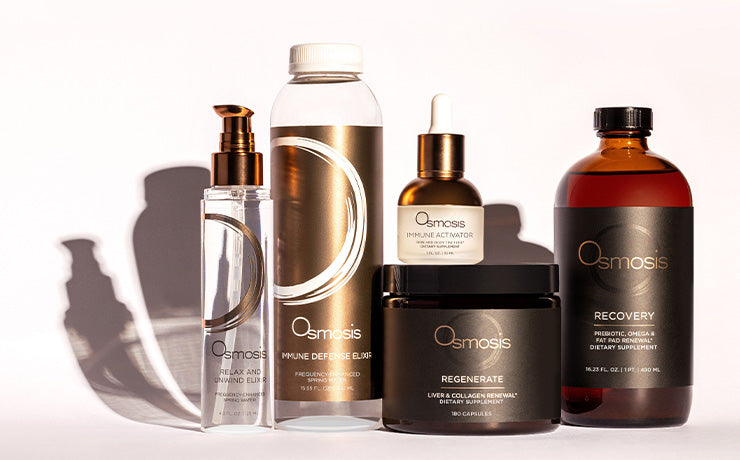
The Osmosis protocol for this pattern often includes Immune Defense and Recovery as part of a broader microbiome-supportive approach.
How Prebiotics Support Your Unique Microbiome
Prebiotics work through an entirely different mechanism.
Rather than introducing outside organisms, a prebiotic supplement acts as nourishment for the beneficial bacteria already present in the body. This support encourages the body’s own microbial population to flourish and replenish naturally.
The result is a more personalized approach to gut and skin health that supports the gut-skin connection across multiple systems without overwhelming the microbiome with external strains.
One simple way to think about the difference is this:
Probiotics are like planting unfamiliar seeds in an established garden. Prebiotics enrich the soil so the plants already rooted there can thrive.
Candida Overgrowth and Its Visible Impact on Skin
Digestive imbalance often appears visibly on the skin.
Candida overgrowth is estimated to affect a large portion of individuals consuming a highly processed Western diet. Candida exists naturally within the microbiome, but certain dietary and lifestyle factors may encourage overgrowth and imbalance.
Common contributors include:
-
Excess sugar
-
Dairy
-
Fried foods
-
Antibiotic use
-
Hormonal medications
-
Mucus-forming supplements
When the gut microbiome falls out of balance, the skin frequently signals this imbalance through congestion, redness, uneven texture, and sensitivity.
Addressing these visible concerns often requires restoring internal microbial balance rather than focusing exclusively on surface symptoms.
The Osmosis Approach: Prebiotic Wellness From Within
The Osmosis approach to the gut-skin connection centers on supporting the body’s existing microbiome rather than overriding it.
Recovery serves as the cornerstone internal product within this philosophy. Recovery is a prebiotic, omega, and fat pad renewal formula designed to support the body’s existing beneficial bacteria while delivering essential fatty acids, including omega-7, to nourish the gut and support skin barrier hydration.
Recovery also supports structural fat pads in the face and body, helping improve the appearance of loose skin while supporting digestive function and nutrient delivery.
Consistency matters. Prebiotic support builds cumulatively over time as the microbiome gradually rebalances and the gut lining strengthens.
Building a Holistic Skincare Protocol That Lasts
Supporting the microbiome is one of the most impactful ways to maintain balance throughout the body and skin.
By choosing prebiotic supplementation for skin health that works with the body’s natural microbial ecosystem, this approach supports a healthier gut-skin connection and a more resilient skin barrier over time.
A holistic skincare routine should support both internal and external balance. Rather than overwhelming the microbiome with outside bacterial strains, the goal is to nourish and strengthen the body’s own systems so healthy skin can emerge naturally from within.
FAQs
What is the gut-skin connection?
The gut-skin connection refers to the relationship between digestive health, microbiome balance, and visible skin appearance. Internal imbalances in the gut can influence inflammation, sensitivity, congestion, and overall skin resilience.
What is the difference between probiotics and prebiotics for skin health?
Probiotics introduce external bacterial strains into the gut, while prebiotics nourish the beneficial bacteria already present in the body. Prebiotics support the body’s existing microbiome rather than attempting to replace it.
Can gut health affect perioral dermatitis?
From the Osmosis perspective, microbiome imbalance and digestive disruption may contribute to redness and irritation patterns commonly associated with perioral dermatitis.
What is a prebiotic supplement for gut and skin health?
A prebiotic supplement provides nourishment for the body’s beneficial bacteria, helping support microbiome balance, digestive health, and healthier-looking skin as part of a holistic inside-out skincare philosophy.