



Hyperpigmentation 101: Understanding Dark Spots & Uneven Skin Tone
If you've ever had a dark spot that seemed to stick around long after the original blemish was gone, you know how frustrating pigmentation can be. Maybe you've noticed a few new sun spots after spending more time outdoors, or you're seeing more unevenness in your skin tone as the years go by. You may even have stubborn areas of discoloration that seem to appear without warning. Pigmentation isn't always straightforward, and there isn't necessarily one reason behind it. At Osmosis, we believe it's helpful to look beyond the spot itself and consider the skin as a whole. What's happening on the surface? What could be influencing the way your skin responds? And what can you do every day to care for it? That's where the inside out approach begins.
Understanding Your Pigmentation
Not all pigmentation looks the same, and understanding the difference can help you decide how to care for your skin. You might have small, defined sun spots that have developed after years of sun exposure. You might have a darker mark left behind by a blemish or irritation. Or you may have more diffuse discoloration across the cheeks, forehead, or upper lip that presents as broader areas of pigmentation. Osmosis training also discusses certain lighter or white spot patterns in relation to what it describes as liver zone stress and internal wellness. Instead of simply asking, "How do I get rid of this spot?" it can be helpful to ask:
What could be contributing to this pattern, and what does my skin need?
Sun exposure, irritation, aging, lifestyle, and overall wellness can all influence how your complexion looks. This doesn't mean every dark spot has an internal cause. It simply means that when discoloration is persistent or widespread, looking at both your skincare routine and your everyday habits may give you a better understanding of your skin.
Your Hyperpigmentation Routine, Simplified
You don't need a complicated routine to care for uneven tone. This approach focuses on three topical products: Regenerate, Rescue, and Catalyst, each with a different role.
Step 1: Target Uneven Tone with Regenerate
If dark spots and uneven tone are your main concerns, Regenerate is an important part of the routine. It's used in protocols addressing hyperpigmentation, liver spot type discoloration, and persistent pigmentation. It helps improve the visible appearance of discoloration and promotes a more even looking complexion over time.
Step 2: Soothe Skin with Rescue
Sometimes discoloration is the reminder left behind after a breakout or irritation. If you've ever watched a blemish disappear only to be left with a stubborn mark, you know how frustrating that can be. Rescue is particularly relevant when uneven tone follows visible irritation or blemishes. It helps support calmer, healthier looking skin while improving the appearance of post inflammatory discoloration.
Step 3: Revitalize with Catalyst
Catalyst takes a broader approach to the look and feel of the skin. It's included in hyperpigmentation, liver spot, and pigmentation protocols and helps improve the visible appearance of discoloration, uneven tone, and signs of photoaging. Together, these three products create a simple, targeted routine without the need to constantly add new products or change your skincare every few days. Follow product directions and give your skin time to respond.
Don't Forget the Basics
A good pigmentation routine isn't only about treatment. What you do every day matters too. Sun protection should be a priority. Even when a dark spot wasn't caused by the sun, UV exposure can contribute to additional discoloration and visible photoaging. Apply a broad spectrum SPF every morning, and when you're outside, consider a hat, shade, and other sun smart habits. It's also worth being mindful of irritation. Try not to pick at blemishes, and avoid changing products too frequently. If something leaves your skin feeling irritated, take a step back and give your skin a chance to settle. Small habits can make a big difference when you're trying to maintain a more even looking complexion.
When Pigmentation Feels Stubborn
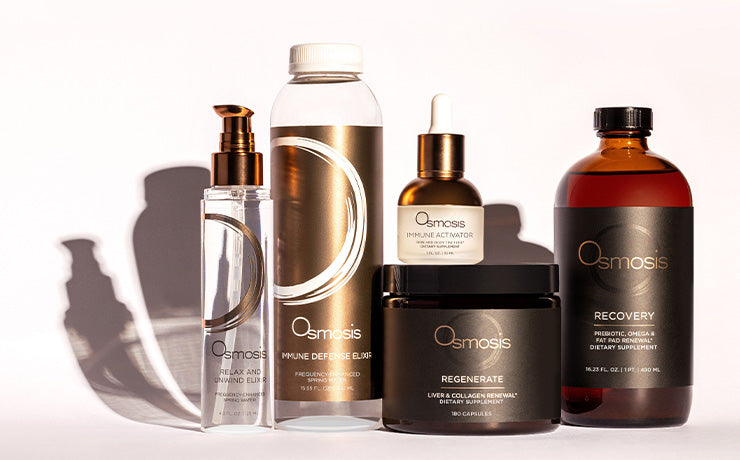
Some pigmentation is more persistent than others. When discoloration is diffuse or widespread, the inside out approach also considers internal wellness. Immune Activator is included in the pigmentation protocol as part of the approach to immune and overall wellness. If you choose to incorporate Immune Activator, follow the product directions and talk with your healthcare professional if you take prescription medications, have a medical condition, or have questions about potential interactions. Training also discusses food toxins, medications, and supplements in relation to what it describes as liver zone stress. These considerations can be part of looking at the bigger picture, but they should never replace medical advice. If you're taking a prescription medication, don't stop or change it based on a skincare resource. Always speak with your prescribing clinician first.
Give Your Skin Time
One of the hardest parts of caring for pigmentation is being patient. You may notice changes in the appearance of surface discoloration within several weeks, while deeper, older, or long standing pigmentation may take months. Everyone's skin is different, so results will vary. Rather than checking the mirror every morning, try taking a photo every four to eight weeks in similar lighting and from the same angle. Your skin is allowed to change. Give it time, give it care, and give yourself a little grace along the way. And remember, progress doesn't always happen overnight.
FAQ
What causes hyperpigmentation?
Hyperpigmentation is uneven brown spots or patches caused by excess melanin. In the Osmosis philosophy, common contributors include aging, sun exposure, internal imbalances, and liver-zone stress from food toxins or medications such as Tylenol.
Because hyperpigmentation can have different causes, including melasma, sun damage, liver spots, or post-irritation marks, the Osmosis approach supports the skin both internally and topically.
Does picking really make hyperpigmentation worse?
Yes, when you pick at a blemish, flaky area, or healing spot, you can create more visible irritation and delay the skin’s recovery. The skin may respond by producing more melanin in that area as a “protective umbrella,” which can leave a darker-looking mark that lingers longer. This is especially common after blemishes or repeated irritation in the same spot.
Can sun exposure affect existing pigmentation?
Absolutely. Sun exposure can deepen the appearance of existing pigmentation because the skin may produce more melanin as a protective response. In the Osmosis philosophy, visible dark spots and uneven tone are often connected with accumulated sun exposure, aging, and internal imbalance patterns that can make the skin more reactive with pigment.
What's the difference between sun spots, melasma, and post-blemish marks?
Sun/age spots: Small, localized brown spots linked to sun exposure and visible aging.
Melasma: Broader, often symmetrical patches associated with hormonal and internal factors.
Post-blemish marks: Darker marks left after blemishes or irritation, often worsened by picking.
A key point is: pigmentation is not just a surface-color issue. The goal is to support the visible recovery of the area and help improve the appearance of the underlying stress pattern rather than simply “bleaching” the surface.
Which Osmosis products help with uneven skin tone?
Regenerate, Rescue, and Catalyst work together to improve the appearance of discoloration. Regenerate targets uneven tone, Rescue soothes skin after visible irritation or blemishes, and Catalyst supports overall tone and the look of photoaging.


