
How Does Hyaluronic Acid Work Internally vs Topically?
Hyaluronic acid (HA) has been used extensively in skincare, but its benefits are modest. It provides temporary plumping of fine lines by drawing water to the skin’s surface. In dry climates, it can actually draw water out of the skin, so use with caution. HA in the dermis is important for creating volume, but it does not play a significant role in the epidermis.
Using large-molecule HA is important because it effectively draws water without penetrating the epidermis, reducing the risk of irritation. Small-molecule HA may irritate the skin if the barrier is compromised.
Hyaluronic acid as a supplement has limited evidence for improving skin rejuvenation, though it may support joint health. Some research suggests oral HA could negatively affect the microbiome, potentially causing redness near the nostrils and contributing to the development of H. pylori in the stomach.
Topical Hyaluronic Acid: Short-Term Plumping vs. Hydration
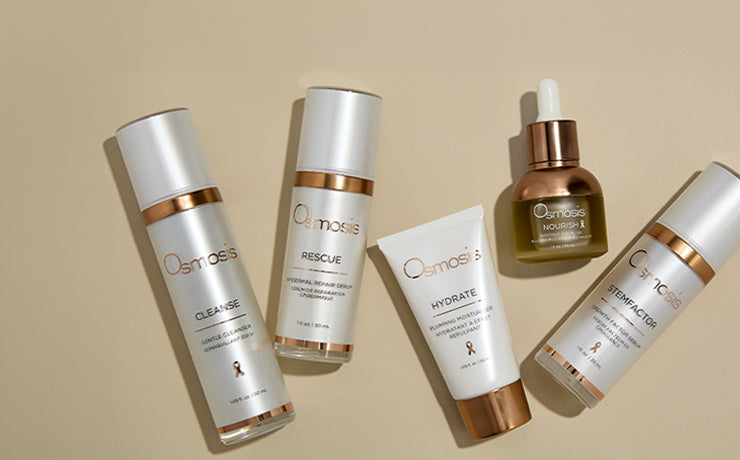
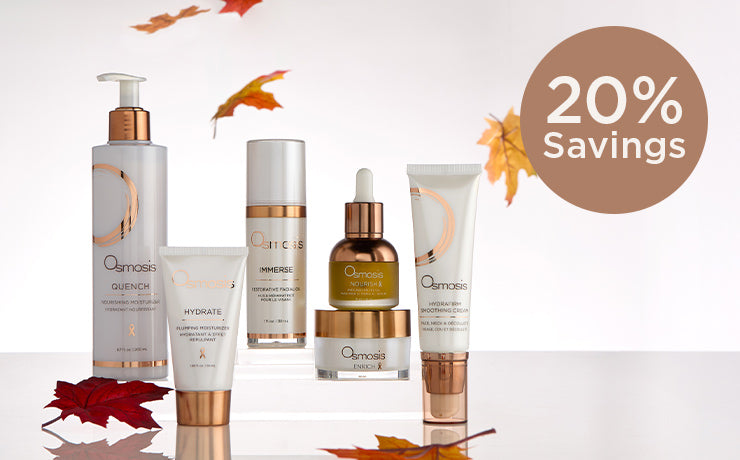
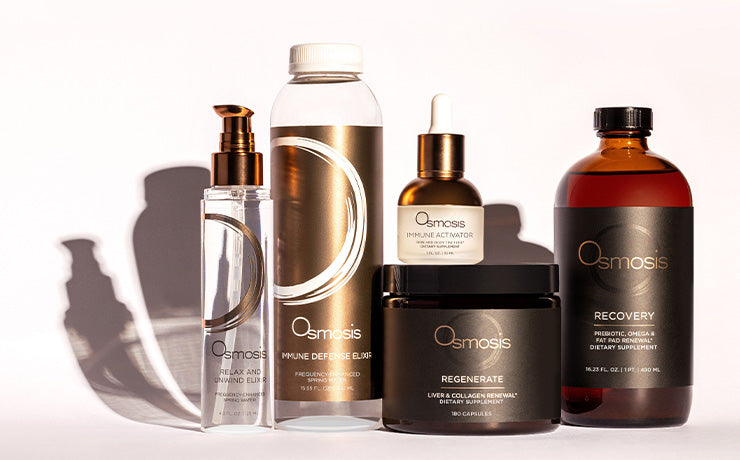
Osmosis has found that in a plumping moisturizer like Hydrate, HA can provide temporary surface plumping while supporting the longer-term benefits of our serums. For targeted skin hydration, the most effective wellness supplement is Osmosis Recovery. To rebuild collagen and address fine lines, the most effective strategy is not collagen itself but a combination of Alpha-Ketoglutarate and the specific amino acids that the skin requires.
%20has%20been%20used%20extensively%20in%20skincare,%20but%20its%20benefits%20are%20modest.%20It%20provides%20temporary%20plumping%20of%20fine%20lines%20by%20drawing%20water%20to%20the%20skin...)