
How to Care for Pimples & Breakouts - A Guide to Clearer Skin
If you have ever struggled with pimples and breakouts, you know that standing in the skincare aisle at a beauty store or pharmacy can be just as stressful as the pimples themselves. There are acids, creams, gels, and patches. It’s overwhelming, and it often leads to a bathroom cabinet full of half-used products that didn’t live up to the hype.
The frustration is real. You’re trying to do something good for your skin, but the path forward seems confusing, expensive, and sometimes even makes things worse. But what if there was a better way? What if you could build a powerful, effective routine using smart, accessible, non-prescription products?
You can. The secret isn’t about finding one magic bullet; it’s about understanding what your skin actually needs and creating a simple, consistent routine to deliver it. In our work with clients, we’ve seen firsthand that a thoughtful, gentle approach can help support clearer skin.
Let’s break down the only ingredients you really need to know, show you how to build them into a routine that works, and empower you to take action.
What's Really Happening in Your Pores?
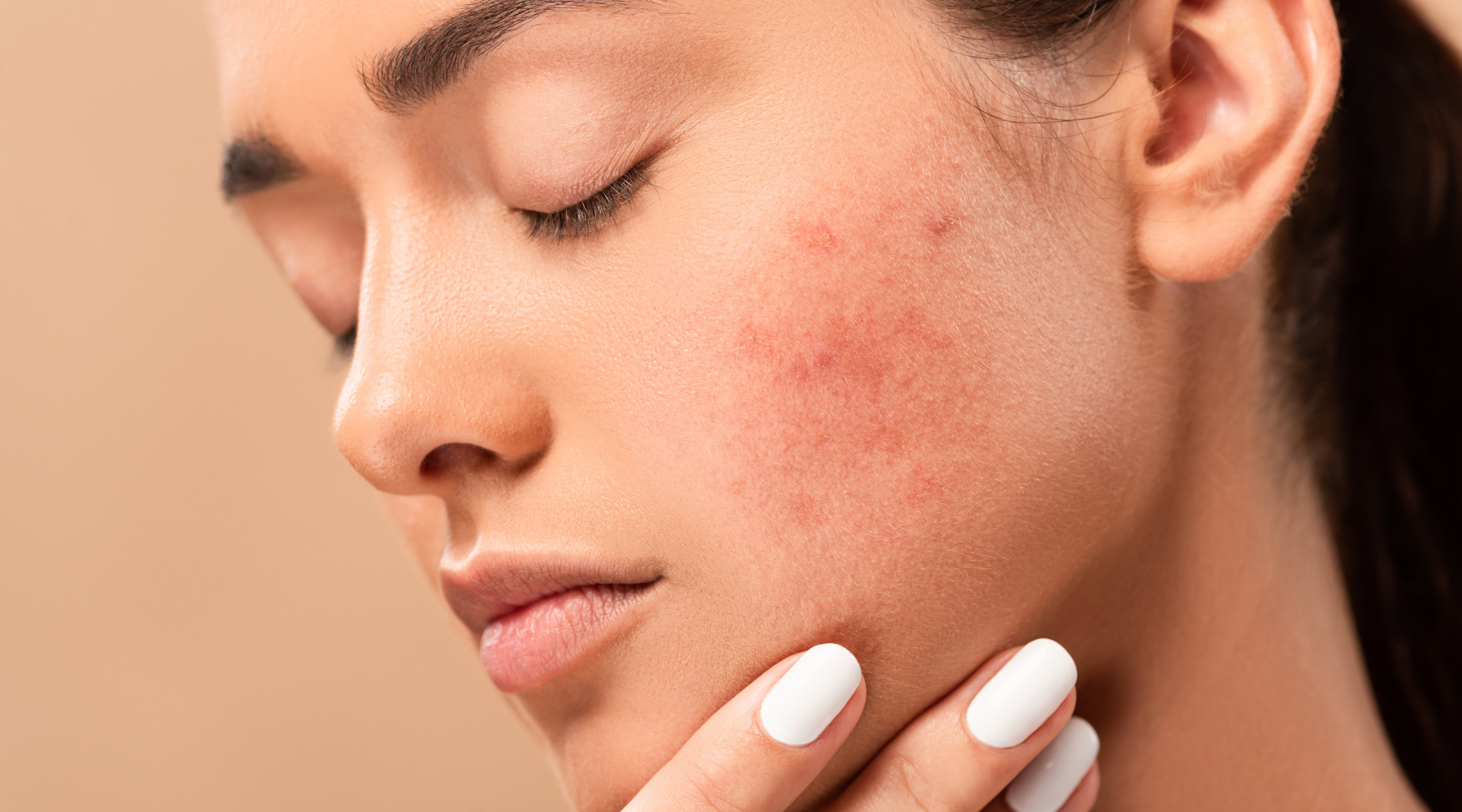
Before we can address your breakouts, it helps to know what you’re up against. At its core, a pimple is just a clogged pore. Your skin naturally produces oil to keep itself moisturized. Normally, this is a good thing! But sometimes, your body produces too much. Between oil and dead skin cells, your pores or hair follicles can become clogged.
This clog creates the perfect environment for common skin bacteria to multiply. Your body’s immune system can treat these clogs as invaders and start fighting back. This battle causes the redness, swelling, and inflammation we know and hate as a pimple.
As a result, when you’re looking for products and ingredients that will help you manage breakouts, they generally relate to one of the following:
- Oily Skin
- Dead skin cells and clogged pores
- Bacteria on the skin and in pores
- Inflammation
Luckily, you don’t need a prescription to achieve all four of these goals. The key is knowing which ingredients to look for.
Building Your Routine: A Step-by-Step Plan
Knowing the ingredients is half the battle. The other half is using them correctly. A complicated, 10-step routine is not necessary. In fact, for breakout-prone skin, less is almost always more. Here is a simple, effective framework.
Step 1: The Gentle Cleanse (That Actually Works)
Scrubbing your face with a harsh, stripping cleanser feels like it should work, but it backfires by damaging your skin’s protective barrier. A compromised barrier leads to more irritation, dehydration, and—you guessed it—more breakouts. Choose a gentle, pH-balanced, sulfate-free cleanser. If you want to incorporate an active, a salicylic acid cleanser is a great way to get a mild, daily dose of exfoliation without overdoing it.
Step 2: Targeted Use (Less Is More)
When you use a skincare product, don’t glob it on; a pea-sized amount is enough for the whole face. If you’re just starting, try applying it every other night to see how your skin tolerates it. Remember, these are powerful ingredients, and consistency is more important than intensity.
Step 3: The Non-Negotiable Moisturizer
Many people with oily skin skip moisturizer, fearing it will clog their pores. This is a huge mistake. Pimple products can be drying, and dry, irritated skin will overcompensate by producing even more oil. The key is to use the right kind of moisturizer. Look for formulas that are labeled “non-comedogenic” (meaning they won’t clog pores) and are lightweight. Ingredients like hyaluronic acid, glycerin, and ceramides are excellent for providing hydration without heaviness.
Step 4: Sunscreen, Always
This is the most critical step. Some pimple-fighting ingredients make your skin more sensitive to the sun. Sun exposure can also darken post-breakout marks, making them stick around for much longer. A daily habit of applying a broad-spectrum, non-comedogenic sunscreen with at least SPF 30 is non-negotiable. It protects your skin, prevents irritation, and allows your skincare routine to work more effectively.
Beyond the Basics: Lifestyle Habits That Support Clear Skin
What you do every day matters just as much as the products you put on your face. Think of these as free, easy ways to boost your results:
- Wash Your Pillowcase: It collects oil, dead skin, and bacteria. Change it at least twice a week.
- Don’t Touch Your Face: Your hands are covered in bacteria. Mindlessly resting your chin in your hand can transfer that bacteria and lead to breakouts.
- Stay Hydrated: Well-hydrated skin functions better. It’s that simple.
When to See a Dermatologist (And What to Expect)
Over-the-counter products can be effective for breakouts. However, if you are experiencing moderate to heavy breakouts and aren’t seeing any improvement, it may be time to call in a professional.
If your skin concerns persist, a medical provider—like a dermatologist—or licensed skincare professional can offer additional support options. But don’t worry—the routine you’ve already built will serve as a perfect foundation for any treatments they prescribe.
The Osmosis Approach: Holistic Skincare for Your Breakouts
At Osmosis Beauty, we believe in a holistic approach. Dealing with breakouts isn’t about attacking the skin with harsh chemicals; it’s about creating a healthy, balanced environment where skin can thrive. It’s about working with the skin’s natural processes, not against them.
That’s why our product lines focus on gentle, effective formulas. Your journey to clear skin is a marathon, not a sprint, and we’re here to provide the tools that support your skin for the long haul.
Ready to build your routine? Start by exploring our collection of gentle cleansers and non-comedogenic moisturizers designed to calm and restore your complexion. For details on the inner causes of acne, please visit our skincare page.