Foundation vs. Concealer: What's the Difference and When to Use Them
Perfect skin is usually the result of smart layering, not heavy makeup. Two MVPs in that stack are foundation and concealer — but they do very different jobs. Below, you'll learn exactly how they differ, when to use one or the other, and when to pair them for an airbrushed effect.
Need a do-it-all spot corrector? Meet the cream-to-powder Flawless Concealer from Osmosis Beauty.
Foundation 101: Purpose, Textures & Coverage
Foundation is the base layer that evens your overall skin tone. Liquid, stick, powder, or serum formulas spread across the whole face to blur mild redness and create a smooth canvas for blush and bronzer.
Modern formulas come in a variety of textures and finishes:
- Liquid: The most versatile. Sheer skin tints, medium-coverage fluids, and full-coverage mattes all fall here.
- Cream or Stick: Richer, buildable coverage that's easy to swipe on and buff out.
- Powder (pressed or loose): Ideal for oily skin and quick touch-ups; can set liquid formulas or act as standalone coverage.
- Serum/Tinted Moisturizer: Skincare hybrids that hydrate while adding a hint of tint — perfect for a “your skin but better” vibe.
What Foundation Does Best
- Evens out overall discoloration (think mild redness or sallowness).
- Provides a consistent texture so other color products — blush, bronzer, highlighter — blend smoothly.
- Offers different finishes (dewy, satin, matte) to complement skin type and personal style.
Concealer 101: Targeted Coverage & Color-Correcting
Concealer is the strategic spot-treatment of the complexion world. More pigmented and often thicker than foundation, it's formulated to disguise specific imperfections — dark circles, blemishes, broken capillaries, or hyperpigmentation. Types include:
- Liquid: Ranges from serum-light to full-coverage. Great for under-eyes and blemishes.
- Cream Pot or Stick: Dense, opaque coverage that melts into skin with warmth — excellent for stubborn spots.
- Pen/Click-Highlighter: Light-reflective formulas that brighten rather than mask.
What Concealer Does Best
- Neutralizes targeted discoloration without blanketing the whole face.
- Allows for color correction (e.g., peachy tones to cancel blue under-eyes, green to calm redness).
- Offers portable, touch-up convenience.
When to Use Foundation Only
- Everyday Polished Look: If your main concerns are mild redness, faint freckles, or uneven tone, a light layer of foundation alone may suffice.
- Time-Crunched Mornings: A tinted moisturizer smoothed over skin takes less than a minute and instantly pulls a look together.
-
Minimalist or “Skinimalist” Trend: Current beauty trends favor breathable, skin-centric makeup. One thin coat of sheer foundation allows real skin to show through while still looking refined.
Pro Tip: Apply foundation from the center of the face outward — most discoloration occurs around the nose and cheeks. Blend toward the hairline to avoid a mask-like edge.
When to Use Concealer Only
- Spot-Treating Blemishes: Dab concealer precisely where it's needed and blend the edges. Skip foundation to let healthy skin breathe.
- Brightening Under-Eyes After a Late Night: A peach-toned or slightly lighter concealer can cut blue shadows faster than an extra cup of coffee.
-
Gym or Outdoor Days: If you prefer not to wear a full face, a dab of concealer over redness or dark spots evens things out while staying lightweight.
Pro Tip: Pat (don’t swipe) concealer with a fingertip or small brush to keep coverage concentrated.
Layering Both for a Flawless Finish
Special occasions and photography often call for both products working in harmony. Here's how to layer them perfectly:
The Optimal Order & Application Method
- Skin Prep: Cleanse, moisturize, and apply SPF. Well-hydrated skin prevents settling into lines.
- Foundation First: Start sheer. Buff with a damp sponge or brush. This instantly reveals exactly where extra coverage is still necessary.
- Concealer Second: Tap concealer onto any remaining discoloration. Use a shade that matches your foundation for blemishes, or one shade lighter for under-eyes.
- Set Strategically: Lightly press translucent powder on high-oil zones or over concealer. Leave the rest of the skin natural for a fresh finish.
Shade-Matching 101
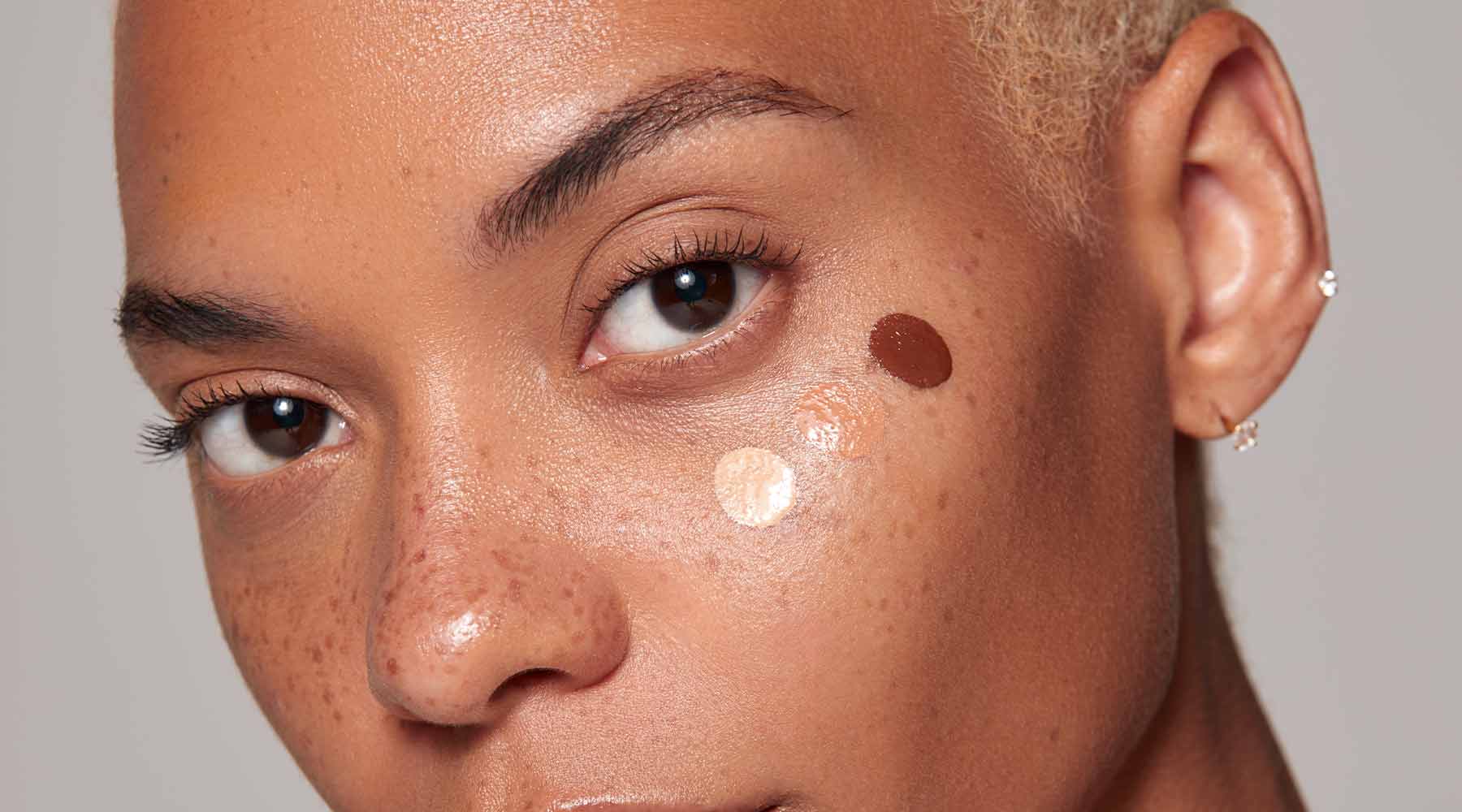
- Foundation: Test along the jawline in natural light. The right shade should disappear into both face and neck without leaving an obvious stripe.
- Concealer for Blemishes: Exact match to your foundation prevents light halos around spots.
- Concealer for Under-Eyes: Up to one shade lighter with a peach or golden undertone to counteract blue-purple shadows.
- Color-Correcting Concealers: Green neutralizes redness, peach cancels hyperpigmentation, lavender brightens sallowness. Always top with skin-tone concealer or foundation so colors don’t peek through.
Common Mistakes to Avoid
- Using Concealer Before Foundation: You'll end up wiping away much of your work while blending foundation and may overapply product.
- Applying Too Much Product at Once: Build thin layers instead — it looks more natural and lasts longer.
- Skipping Skincare: Even the best makeup can’t smooth over dehydration or flakiness. Exfoliate gently and moisturize.
- One-Shade-Fits-All Concealer: A bright under-eye shade can draw attention to blemishes if used all over. Have at least two shades on hand.
How Osmosis Beauty Elevates the Complexion Game
Foundation and concealer are teammates, not rivals. Foundation provides the smooth, even backdrop, while concealer is the precision tool that perfects targeted areas. Mastering when — and how — to use each will elevate your makeup from “fine” to flawlessly natural.
The next time you're assembling your complexion kit, remember: start sheer, spot-conceal smartly, and let your skin's natural texture shine through. Ready to experience a high-performance formula that does both jobs beautifully? Wrap up your routine with a swipe of Osmosis Beauty's Flawless Concealer and step into the day with confidence.