

Peptides vs. Growth Factors: What’s the Difference in Skincare?
Navigating the world of advanced skincare ingredients can sometimes feel like you need a biology degree. Two terms that frequently pop up in discussions about pro-youth and skin-rejuvenating formulations are "peptides" and "growth factors." While both are celebrated for their potential benefits, they are not the same thing. So, what’s the real difference between peptides and growth factors in skincare, and how do they each contribute to skin health?
Understanding these distinctions can empower you to make more informed choices about the skincare products you buy and the daily routine you adopt. Let's dive deep into these two powerhouse ingredients.
Two Powerhouse Ingredients: Understanding the Basics
Proteins in Your Skin: The Foundation
Your skin is rich in proteins. Collagen and elastin, for example, are crucial structural proteins that provide firmness, support, and elasticity. These proteins are made up of smaller units called amino acids, linked together in long chains.
Introducing Peptides: The Building Blocks and Messengers
Peptides are relatively short chains of amino acids—essentially, smaller fragments of proteins. Think of them as specific, targeted workers. In skincare, peptides can function in a few ways:
- Signaling Peptides: Enhance the appearance of skin firmness and elasticity by promoting visible skin renewal.
- Carrier Peptides: Deliver trace minerals (like copper) to the skin, supporting enzymatic processes.
- Neurotransmitter-Inhibiting Peptides: Reduce the look of expression lines caused by facial movement (cosmetic effect only).
- Enzyme-Inhibiting Peptides: Help slow down the natural breakdown of collagen.
Introducing Growth Factors: The Master Conductors
Growth factors are complex proteins that support visibly refreshed and rejuvenated skin. They act as broad-spectrum signaling molecules. In skincare, they are valued for their ability to promote smoother, healthier-looking skin over time. There are many types of growth factors, each with specific roles in maintaining skin health and supporting the skin’s visible renewal process.
How They Work: Different Roles in Supporting Your Skin
Peptides in Action: Targeted Signals & Structural Support
Because peptides are smaller and can be designed or selected for specific amino acid sequences, they often have more targeted roles. A peptide might be chosen to send a very specific message to a skin cell or act as a building block for a particular protein.
Growth Factors in Action: Orchestrating Broader Skin Renewal
Growth factors, being more complex, have a broader influence. They support surface-level skin renewal, contributing to a smoother, more radiant appearance. They help support a visibly refreshed and youthful-looking complexion.
An Analogy: Skin Cells
Imagine your skin cells are like a busy office:
- Peptides: Keys that unlock particular doors (cell receptors) to initiate a specific task (e.g., "build collagen here").
- Growth Factors: Project managers overseeing multiple departments, coordinating complex projects to ensure the entire office (your skin) functions efficiently (comprehensive skin renewal).
Key Distinctions at a Glance
Peptides are tiny chains of amino acids. They send quick, targeted signals that firm skin and smooth lines. Growth factors are bigger proteins that guide many repair processes to boost overall skin vitality. Choose a peptide serum for fast collagen support. Pick a growth-factor formula for full anti-aging renewal.
- Size and Complexity: Growth factors are significantly larger and more structurally complex than most peptides.
- Specificity of Action: Peptides are targeted, interacting with specific receptors or pathways. Growth factors influence a broader range of cellular activities.
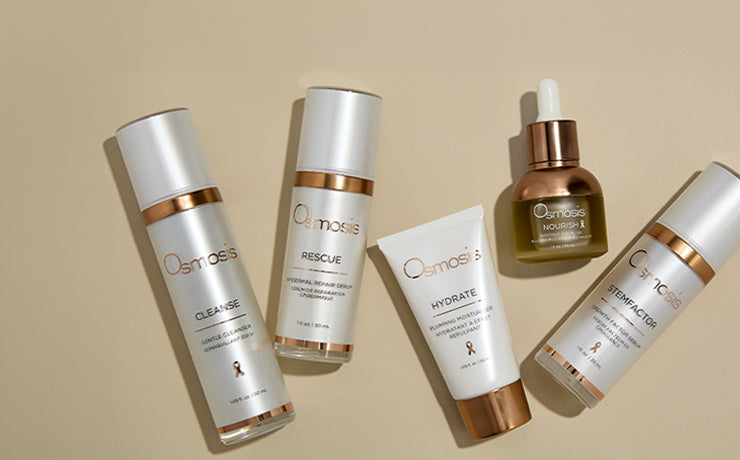
- Use in Skincare: Peptides are commonly synthesized for purity and specificity. Growth factors can come from bio-engineered sources, plant extracts with growth factor-like properties, or human-conditioned media, like StemFactor Growth Factor Serum, containing a cocktail of growth factors and proteins (not for medical use).
Peptides and Growth Factors in Your Skincare Routine
When Might You Choose Peptides?
Peptide-based products are excellent for temporary plumping and improving firmness and skin texture. Most peptides stay in the epidermis and provide targeted support.
When Might You Look to Growth Factors (like in StemFactor)?
Growth factor-based serums have a broad influence on skin rejuvenation. They are helpful for aging and sensitive skin, promoting overall skin renewal through follicular activation.
Can They Be Used Together?
Yes, peptides and growth factors can be used together or found in the same formulation. Peptides provide targeted support while growth factors offer broader regenerative signals.
Making Informed Choices for Your Skin's Health
At Osmosis, we use both peptides and growth factors in advanced skincare formulations, recognizing their distinct yet complementary roles. For example, StemFactor leverages growth factors for overall skin support, while other products use specific peptides for targeted effects. Understanding this helps clients choose the best solutions for their skin goals.
The discovery of Epidermal Growth Factor (EGF) by Stanley Cohen and Rita Levi-Montalcini, which earned them a Nobel Prize in 1986, was a milestone in biology. In skincare, ingredients inspired by this science support the appearance of youthful skin.
Osmosis StemFactor is the most clinically proven growth factor serum, containing over 600 types of growth factors and cytokines, plus trillions of exosomes that deliver key information to the follicles and skin.