Should I Moisturize Even if I Have Oily Skin?
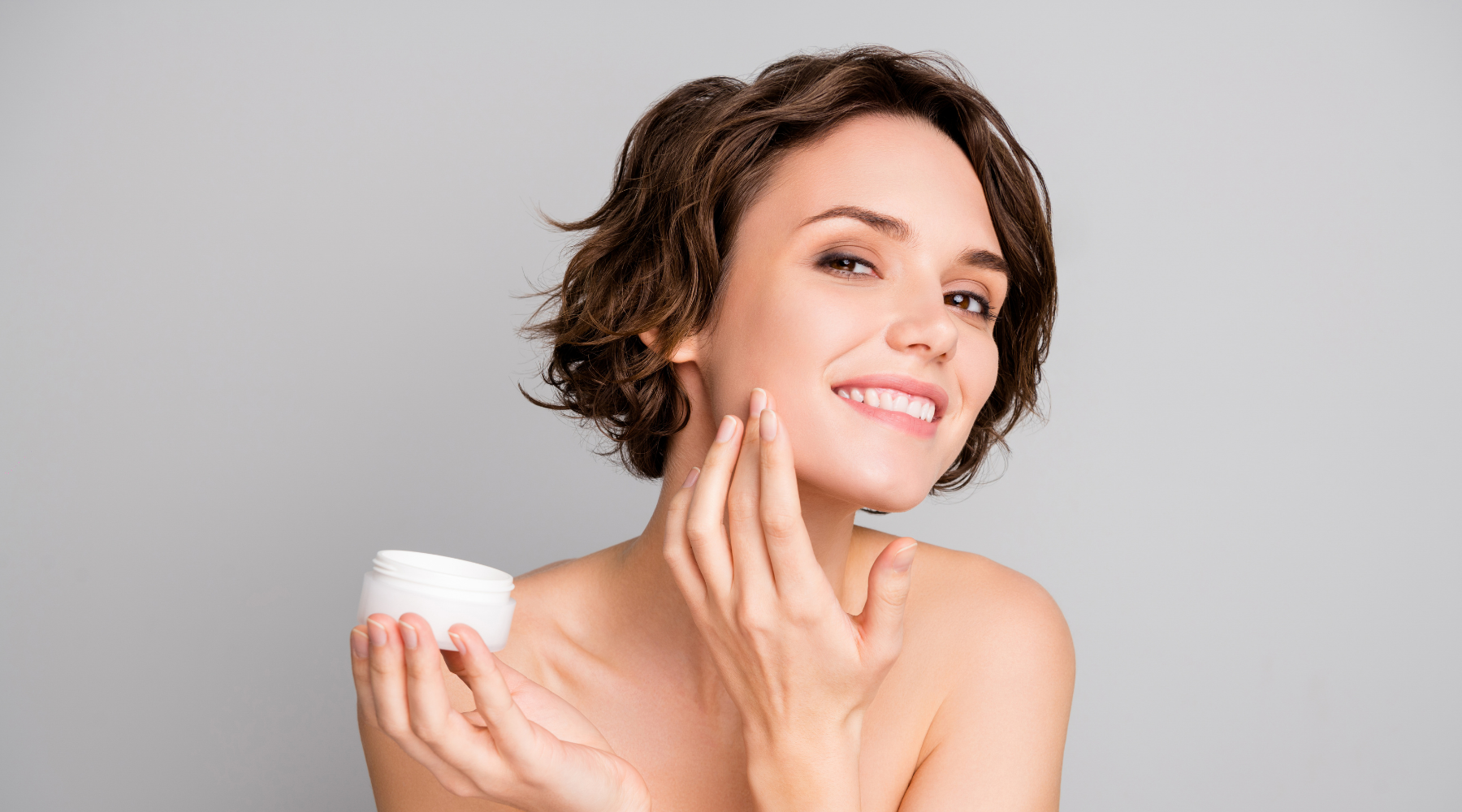
If you have oily skin, the thought of adding more moisture in the form of a moisturizer might seem completely counterintuitive. Why add hydration to skin that already feels slick or greasy? This is one of the most skincare myths, and it leads many people with oily complexions to skip a crucial step in their skincare routine. So, should you moisturize even if you have oily skin? The answer is a definitive YES!
Let's dive into why moisturizing is not just beneficial but essential for oily skin, and how the right kind of moisturizer for oily skin can actually help your skin look and feel more balanced, not more oily.
The Oily Skin Moisturizer Myth
For years, the wisdom for oily skin was to strip away oil and avoid anything that felt remotely hydrating. We now know this approach can often backfire.
"My Skin is Oily, So It Doesn't Need More Moisture, Right?" Wrong!
This is the core misconception. It’s easy to equate the oil (sebum) on your skin's surface with adequate hydration. However, these are two very different things. Your skin can be producing plenty of oil, yet still be lacking in water.
Understanding the Difference: Skin Oil (Sebum) vs. Skin Hydration (Water)
- Skin Oil (Sebum): This is the waxy, oily substance produced by your sebaceous glands. Its job is to lubricate the skin and hair and help form part of the skin's protective barrier. Oily skin types naturally produce an excess of sebum.
- Skin Hydration (Water): This refers to the water content within your skin cells. Well-hydrated skin looks plump, smooth, and functions optimally. All skin types, including oily skin, need adequate water to be healthy. You can have oily skin that is also dehydrated. There are moisturizers for dry and dehydrated skin.
Why Your Oily Skin Actually Craves the Right Kind of Moisture
Skipping moisturizer when you have oily skin can inadvertently make things worse. Here’s why your skin needs that hydration:
The Dehydration-Oil Overproduction Cycle
When your skin lacks water, it can try to compensate by producing even more oil. It's a bit like your skin's internal thermostat going haywire. It senses dryness at a deeper level and ramps up oil production to try and seal in whatever moisture is left. This can lead to an even oilier-looking complexion and potentially more clogged pores.
How a Good Moisturizer Helps: It "Balances Oil and Moisture Levels"
The right kind of moisturizer provides essential water-based hydration. Hydrated skin often looks less shiny and feels more comfortable throughout the day. Instead of overcompensating, your skin can find a healthier equilibrium. A good moisturizer helps to balance oil and moisture levels, leading to a complexion that feels more comfortable and looks less shiny over time.
Supporting a Healthy Skin Barrier
Every skin type relies on a healthy skin barrier to protect against environmental aggressors and prevent excessive water loss. Even if your skin is oily, factors like harsh cleansers, environmental conditions, or certain acne treatments can leave the skin feeling stripped or vulnerable. Moisturizing helps to replenish and support this barrier, keeping skin healthy.
Choosing Your Oily Skin's Best Friend: The Right Moisturizer
Not all moisturizers are created equal, especially when it comes to oily skin.
Lightweight and Non-Comedogenic
- Lightweight: Look for formulas that are specifically described as lightweight, oil-free (or low in problematic oils), gel-based, or water-based. These will absorb quickly without feeling heavy or greasy.
- Non-Comedogenic: This means the product is formulated in a way that it's less likely to clog your pores, which is a common concern for oily skin types.
Key Ingredients to Look For
- Humectants: These ingredients attract and bind water to the skin. Think hyaluronic acid, glycerin, sodium PCA, and aloe vera. They provide hydration without adding oil.
- Light Emollients (used sparingly): Some light emollients like squalane or certain silicones (in well-formulated products) can help soften skin and prevent water loss without feeling heavy.
- Mattifying Ingredients (optional): Some moisturizers for oily skin might contain ingredients that help absorb excess surface oil, like silica or certain clays, but the primary function should still be hydration.
How Osmosis Quench Fits the Bill for Oily Yet Dehydrated Skin
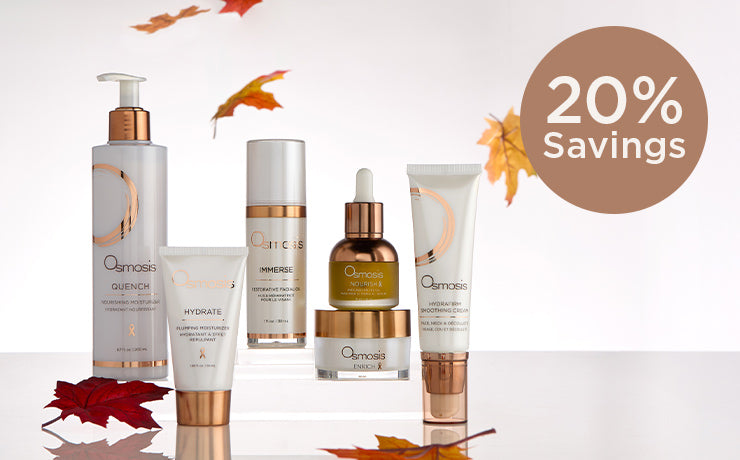
Finding a moisturizer that delivers hydration without feeling heavy is crucial for oily skin. Our Quench moisturizer is designed to do just that. While it's intensely hydrating, its formulation is crafted to feel nourishing yet comfortable on the skin. It absorbs well to provide essential moisture, helping to plump the skin and maintain balance. It’s an excellent option for oily skin that needs water replenishment without a greasy after-feel.
Tips for Moisturizing Oily Skin
Application technique can also make a difference:
Apply to Damp Skin
Applying your lightweight moisturizer to slightly damp skin (after cleansing and toning) can help lock in even more hydration.
A Little Goes a Long Way
You often don't need as much product as you think, especially with an effective, lightweight formula. Start with a pea-sized amount and add more only if needed.
Don't Forget Your Neck and Chest
These areas also benefit from hydration and are often neglected.
The Takeaway: Embrace Moisture for Balanced, Healthy Oily Skin
It's one of the most common questions we hear at Osmosis: "I have oily skin, do I really need a moisturizer?" Our answer is always a resounding yes! We've seen countless clients with oily skin achieve a much more balanced and comfortable complexion once they incorporate the right lightweight hydrator, like Quench, into their routine. Research from dermatological resources consistently emphasizes that all skin types need moisture for optimal health. When oily skin is properly hydrated, it's less likely to go into oil-production overdrive.
So, if you have oily skin, don't shy away from moisturizer. Instead, embrace a lightweight, non-comedogenic option that focuses on hydration. You might be surprised at how much more balanced, comfortable, and healthy your skin can look and feel. Remember, the goal is not to strip your skin, but to work with it to achieve a harmonious balance.
FAQ
- Do you need to moisturize if you have oily skin? Yes, absolutely! Oily skin still needs hydration (water). Skipping moisturizer can make your skin dehydrated, causing it to produce even more oil to compensate. The key is using a lightweight, non-comedogenic moisturizer.
- How does moisturizer help oily skin? The right moisturizer helps oily skin by providing essential hydration, which helps oily skin feel more balanced. When the skin is well hydrated, it may appear less greasy and feel more comfortable throughout the day.